Understanding Daily Stretching for Enhanced Flexibility
Educational content only. No medical services. No promises of outcomes.
Explore practical insights into daily stretching routines. This resource provides information about flexibility exercises, their potential benefits, and various approaches to incorporating stretching into everyday life.
Learn More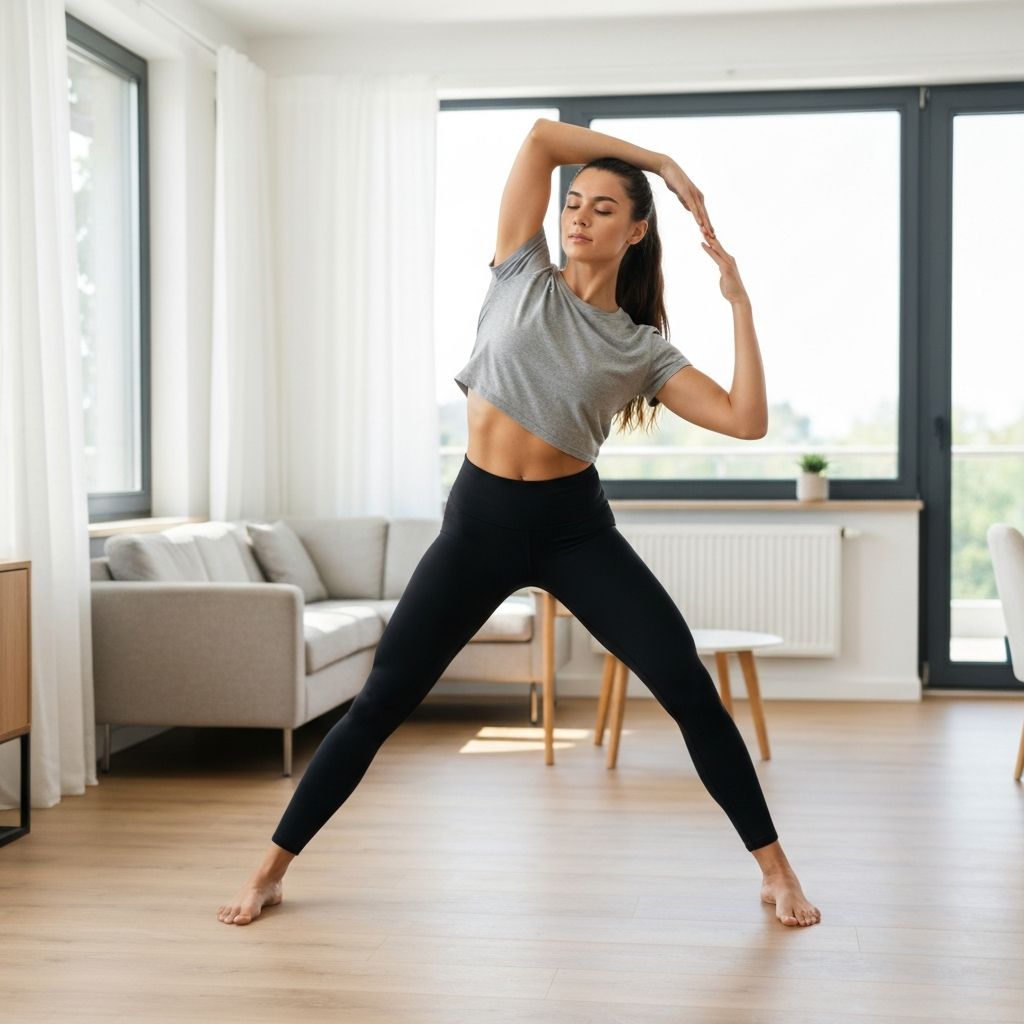
Introduction to Daily Stretching
Stretching is a form of physical activity that involves deliberately lengthening muscles to increase muscle flexibility and joint range of motion. Many people incorporate stretching into their daily routines as part of their overall approach to physical well-being.
This educational resource explores the concept of daily stretching, examining different techniques, the science behind flexibility, and various perspectives on incorporating stretching into everyday life. The information presented here is intended for general educational purposes only.
Understanding how muscles and joints respond to regular stretching can help individuals make informed decisions about their own physical activity choices. Different bodies may respond differently to stretching routines, and what works for one person may not be suitable for another.
Information Context
This content is educational in nature and does not constitute individual recommendations. Approaches to stretching vary widely, and this information does not replace personal decision-making or professional guidance when needed.
Potential Benefits of Flexibility
Range of Motion
Regular stretching may contribute to maintaining or improving joint range of motion. Flexibility in joints allows for varied movement patterns in daily activities.
Muscle Relaxation
Stretching exercises often involve controlled breathing and focused attention, which some individuals find helpful for muscle relaxation after periods of inactivity.
Body Awareness
Practicing stretching routines may help develop greater awareness of body positioning, muscle tension, and movement patterns during everyday activities.
- Flexibility exercises are one component of overall physical activity
- Individual responses to stretching vary based on many factors
- Consistency in practice is often discussed as a factor in flexibility development
- Different stretching approaches exist for different purposes
- Understanding proper technique is an important consideration
Morning Stretch Routine Overview
Many individuals choose to stretch in the morning as part of their daily routine. Below are examples of stretching movements that are commonly included in morning routines.

Standing Side Stretch
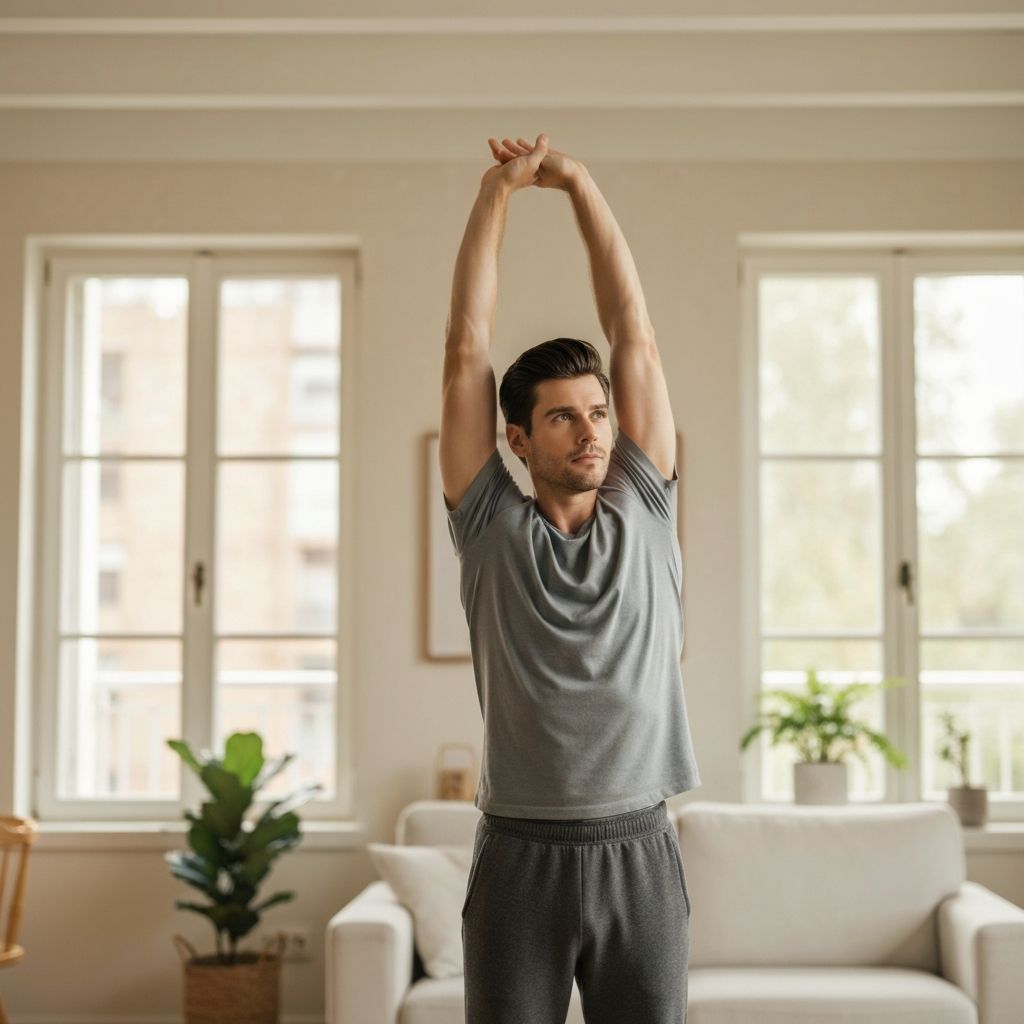
This movement involves reaching one arm overhead while bending the torso to the opposite side. It is often described as targeting the lateral muscles of the trunk.
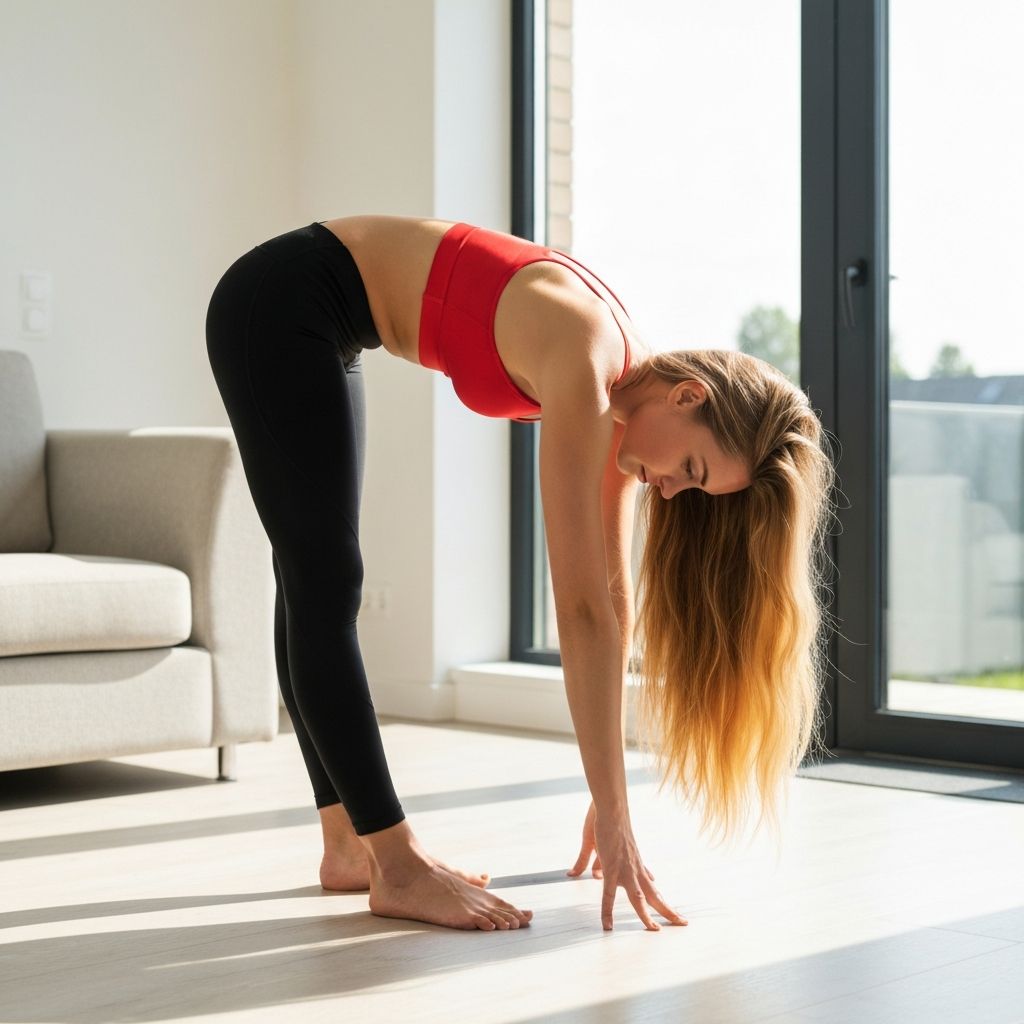
Forward Fold
This position involves bending forward at the hips while allowing the upper body to hang. It is commonly associated with stretching the posterior chain muscles.
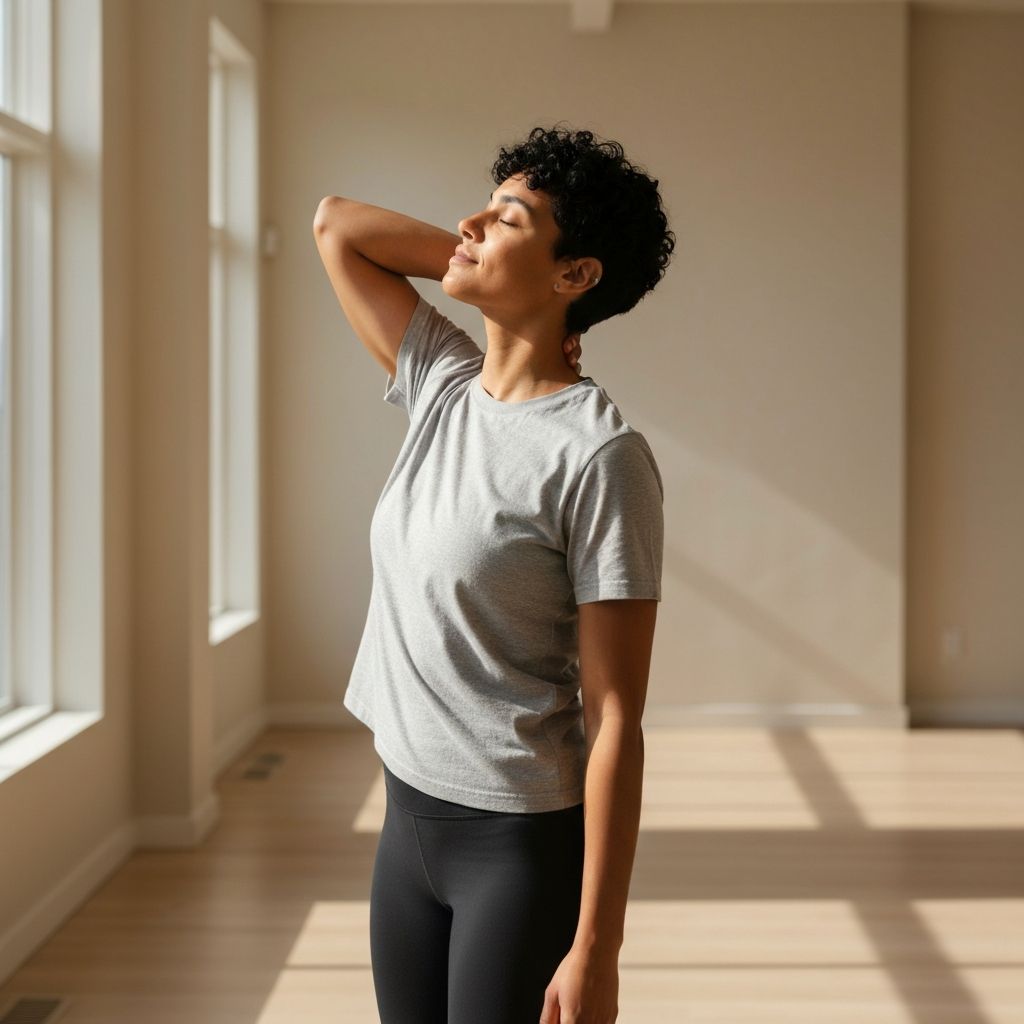
Neck Rotations
Gentle neck movements in various directions are often included in morning routines. These movements may help address stiffness that can develop during sleep.
Evening Stretch Routine Overview
Evening stretching is another approach that some people incorporate into their daily schedule. These movements are often described as having a calming quality.
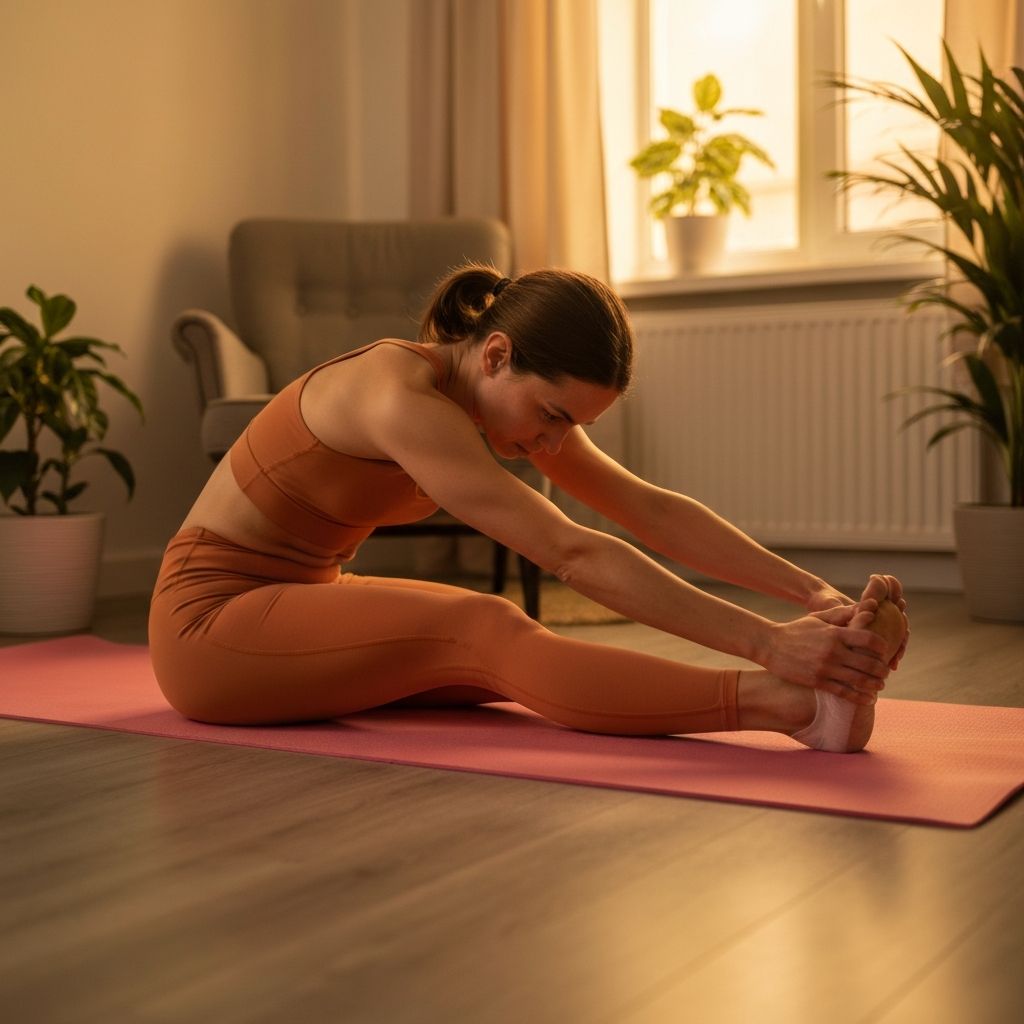
Seated Forward Bend
Sitting with legs extended and reaching toward the feet is a common evening stretch. This position is often associated with stretching the hamstrings and lower back.
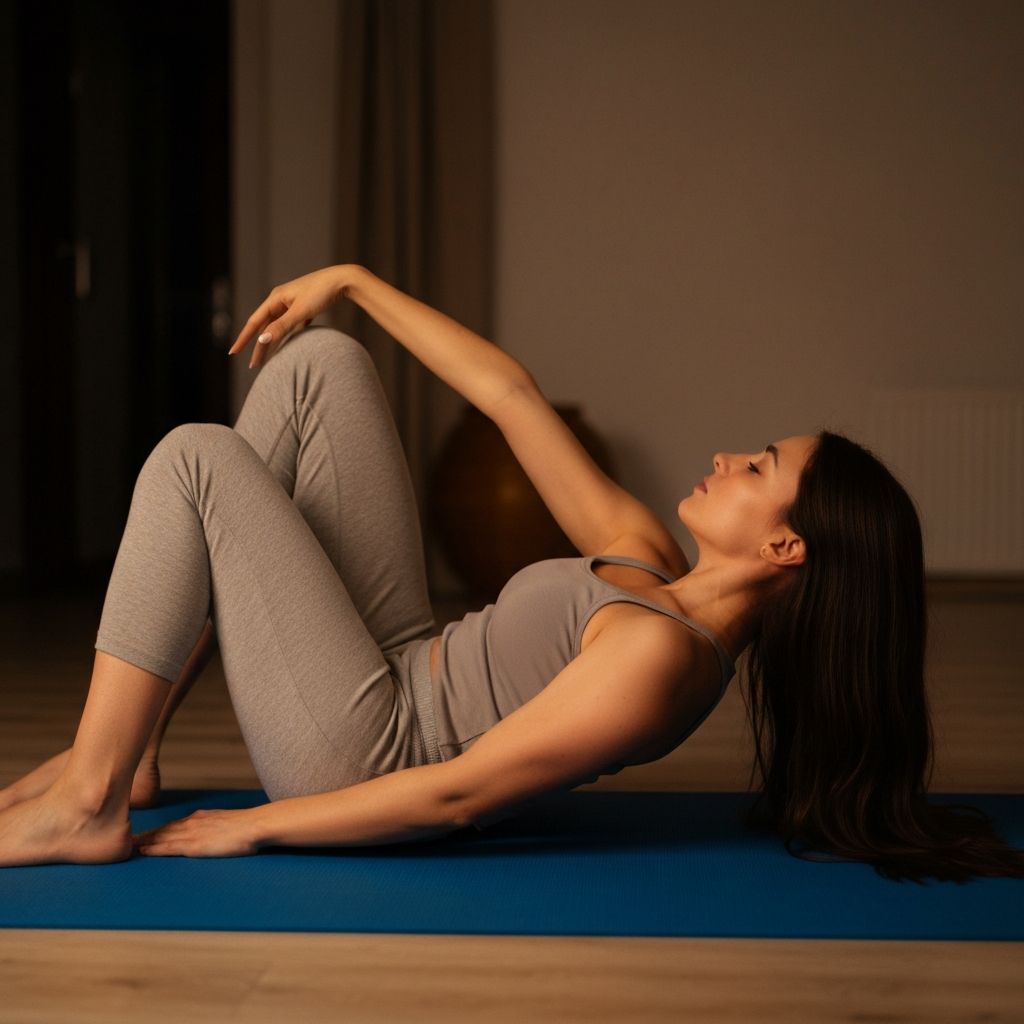
Supine Twist
Lying on the back with knees drawn to one side is a twisting movement that some include in their evening routine. It involves rotation of the spine.
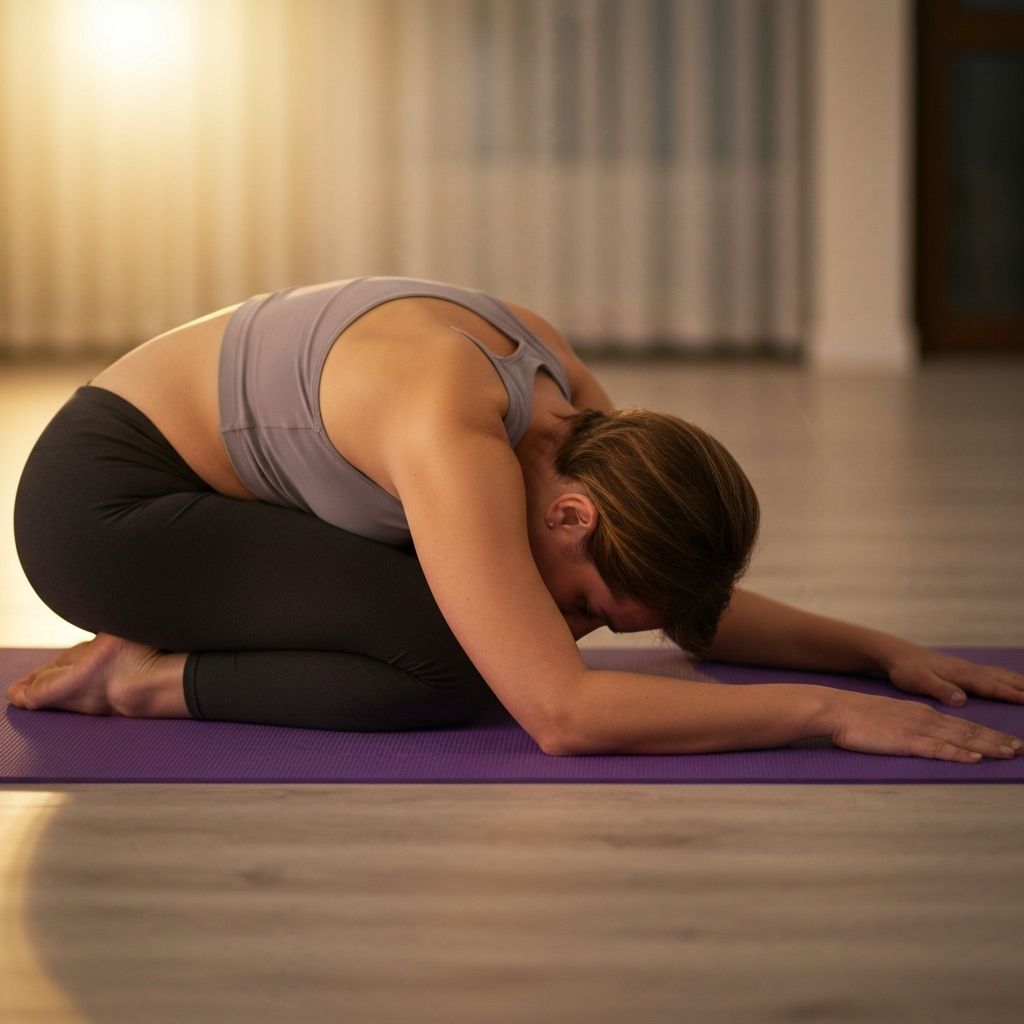
Child's Pose
This kneeling position with arms extended forward is widely recognized in stretching and yoga practices. It is often described as a resting position.
Considerations for Stretching Practice
Warm-Up Concept
Many sources suggest that muscles may respond better to stretching when they are warm. Light movement before stretching is a common recommendation in fitness literature.
Breathing Awareness
Conscious breathing during stretching is often emphasized. Some practitioners find that coordinating breath with movement affects their stretching experience.
Gradual Progression
The concept of gradually increasing stretch intensity over time is frequently discussed. Sudden or forceful movements are generally not recommended in stretching literature.
Consistency Factor
Regular practice is often mentioned as a factor in flexibility development. However, individual responses and timelines vary considerably.
Body Signals
Paying attention to how the body feels during stretching is commonly advised. Discomfort versus pain is a distinction often made in stretching guidance.
Individual Variation
Flexibility levels vary significantly between individuals due to factors such as genetics, age, activity level, and body structure.
Educational Purpose
The tips above are general concepts found in stretching literature and are presented for informational purposes. They do not constitute personalized advice or recommendations.
Stretching for Joints and Muscles
Understanding Muscle Flexibility
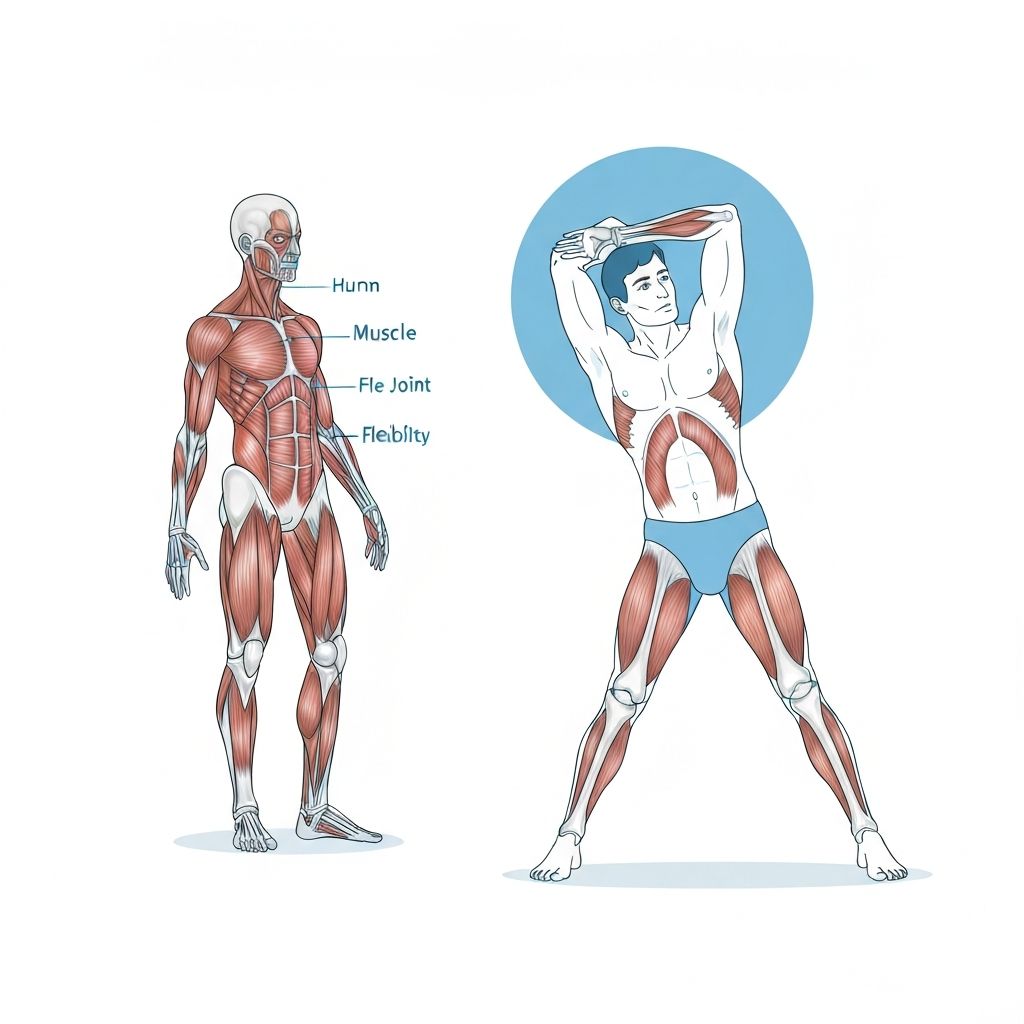
Muscles are composed of fibers that can lengthen and contract. Stretching involves deliberately lengthening these fibers beyond their resting state. The body's response to stretching is influenced by various factors including the nervous system's tolerance to stretch sensation.
Joint Range of Motion
Joints are the points where bones meet, allowing for movement. The range of motion at any joint depends on the structure of the joint itself, the surrounding soft tissues, and the flexibility of the muscles that cross that joint.
Connective Tissue Considerations
Beyond muscles, stretching also involves connective tissues such as tendons and fascia. These structures have different properties than muscle tissue and respond differently to stretching stimuli.
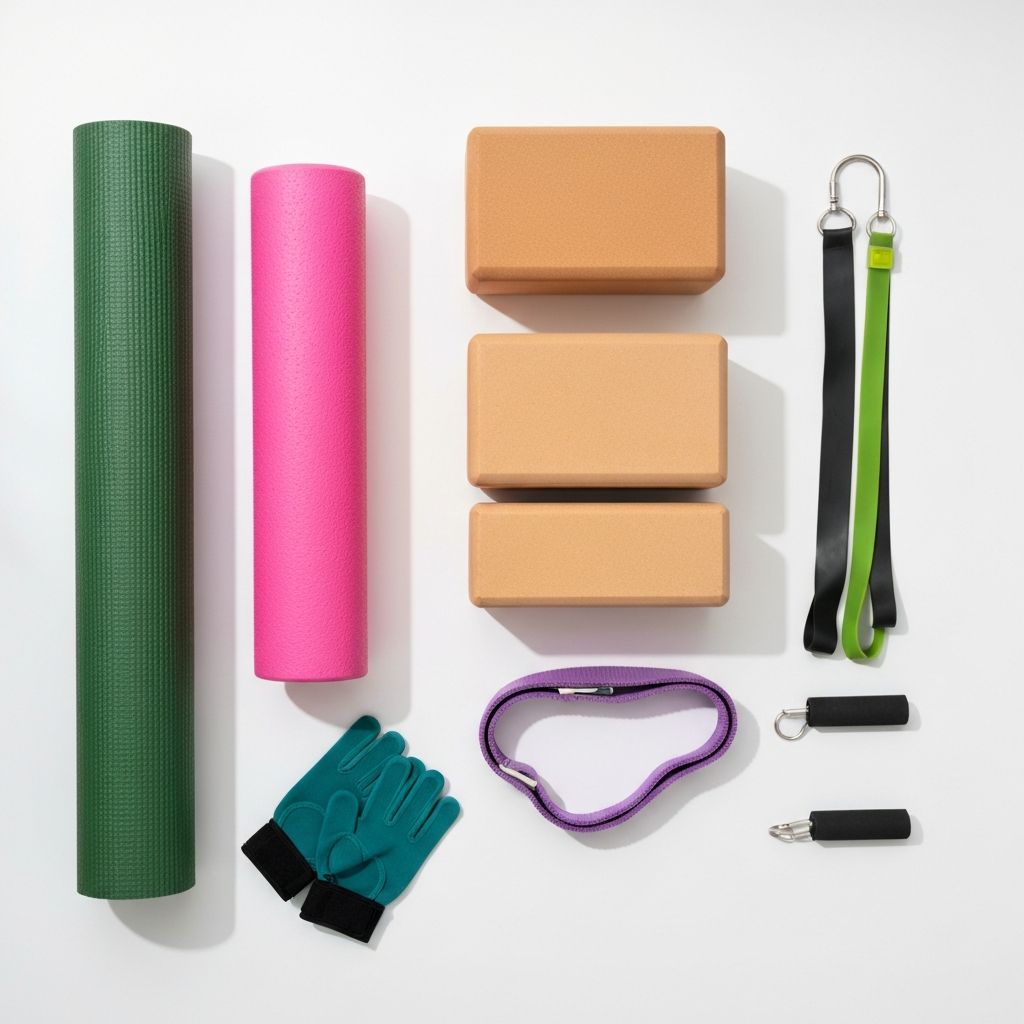
Tools and Accessories Overview
Various tools and accessories are available that some people use to assist with their stretching practice. These items are not required for stretching but are options that exist in the market.
Common Items
Yoga Mats: Provide cushioning and a defined space for floor-based stretches.
Foam Rollers: Cylindrical tools used for self-massage and myofascial release techniques.
Resistance Bands: Elastic bands that can assist with certain stretching positions.
Yoga Blocks: Props that can modify positions to accommodate different flexibility levels.
Stretching Straps: Fabric straps that extend reach for certain stretching positions.
The choice to use accessories is personal, and many stretching movements require no equipment at all.
Frequently Asked Questions
Continue Exploring Stretching Information
This resource offers educational content about stretching concepts. For more detailed information, explore the sections above or visit our additional resources.
Contact Information
Send a Message
Have questions about the educational content on this site? Use the form below to reach out.
Contact Details
Brand: Flexium
Address: Karlovo náměstí 12, Prague, Czechia
Phone: +420 607 894 321
Email: [email protected]
Important Notice
Flexium is an educational resource providing information about stretching concepts. We do not provide personalized advice, recommendations, or services.
Additional Resources
Understanding Flexibility
Explore the science behind muscle flexibility and joint range of motion in our detailed educational articles.
Read MoreStretching Techniques
Learn about different approaches to stretching, including static, dynamic, and assisted techniques.
Explore Techniques